
Our Marketing Team at PopaDex
How to Track Your Net Worth Across Multiple Countries (2026 Guide)
If you have bank accounts in more than one country, you know the problem: no single app shows you what you actually own. Your German checking account lives in one app, your US brokerage in another, and your Spanish property is on a spreadsheet somewhere.
This guide covers what to include, how to handle currencies, and which tools actually work.
What counts as net worth when you live in multiple countries
Net worth is assets minus liabilities, same as always. But cross-border finances add categories that domestic apps ignore:
- Bank accounts in different countries (checking, savings, fixed deposits)
- Foreign property (valued in local currency, mortgaged in local currency)
- International investment accounts (brokerage, pension, retirement)
- Foreign currency cash holdings
- Liabilities in different currencies (mortgages, student loans, credit)
The trick is converting them to one base currency at current rates so the total means something.
The spreadsheet approach (and why it breaks)
Most people start with a Google Sheets or Excel spreadsheet. It works for a while:
| Asset | Currency | Balance | EUR equivalent |
|---|---|---|---|
| Deutsche Bank Girokonto | EUR | €12,400 | €12,400 |
| Barclays ISA | GBP | £18,200 | ~€21,300 |
| Vanguard 401(k) | USD | $84,000 | ~€77,500 |
| Madrid apartment | EUR | €310,000 | €310,000 |
| CaixaBank hipoteca | EUR | -€195,000 | -€195,000 |
But spreadsheets have problems:
- Exchange rates go stale. Unless you write a formula that pulls live rates (and refreshes daily), your EUR column is wrong within hours.
- Balances don’t update. You have to log into each bank, check the balance, and type it in.
- No historical tracking. You get a snapshot, not a trend. You can’t see net worth over time without manually recording every month.
- Security. Emailing yourself a spreadsheet with all your bank balances is a risk.
Spreadsheets are fine for getting started. They are not fine for ongoing tracking.
What to look for in a multi-country tracker
If you decide to use an app instead of a spreadsheet, a few things matter:
Bank coverage
Most US-based apps (Empower, Monarch, YNAB) use Plaid, which only connects to American banks. If you have accounts in Europe, you need an app that supports GoCardless (formerly Nordigen), which covers PSD2-compliant European institutions.
PopaDex connects to 15,000+ banks across 30+ countries, including Germany, UK, Spain, Netherlands, Norway, Sweden, France, and more.
Currency conversion
Look for:
- Automatic daily exchange rate updates
- Ability to set a base currency (EUR, GBP, USD, etc.)
- Support for 100+ currencies (not just the major 10)
- Historical rates so your past net worth values are accurate
Property tracking
Apartments and houses are often the largest asset. A good tracker lets you enter property at market value and subtract the mortgage, in any currency.
Tax-relevant snapshots
Different countries need different asset snapshots:
- Netherlands: Box 3 requires your vermogen as of January 1st
- Spain: Modelo 720 requires foreign assets above €50,000
- Germany: Steuererklärung requires foreign investment income
- Norway: Skattemelding requires worldwide assets
Being able to see your total assets at a specific date saves time every year.
Tool comparison for international users
| Feature | PopaDex | Empower | Kubera | Monarch |
|---|---|---|---|---|
| Countries | 30+ | US only | US, Canada, UK | US only |
| Currencies | 100+ | USD only | ~30 | USD only |
| Bank connections | 15,000+ | US only (Plaid) | US, Canada, UK | US only (Plaid) |
| Price | €5/month (free tier) | Free (advisory upsell) | $249/year | $15/month |
| FIRE calculator | Yes | Yes | No | No |
| Data hosting | Switzerland | US | US | US |
For US-only finances, Empower and Monarch are solid. For international portfolios, PopaDex is the only option that connects to banks across continents.
Step by step: setting up multi-country tracking
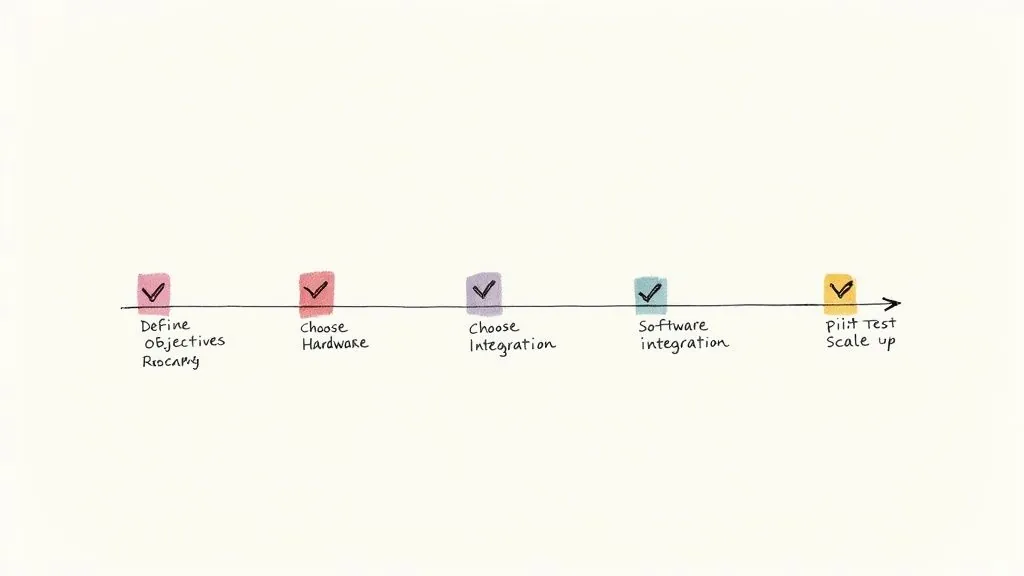
- List every account. Go through each country where you have assets: bank accounts, investment accounts, property, pensions, loans.
- Choose a base currency. Pick the currency you think in, usually where you pay rent or spend most.
- Connect what you can. Auto-sync bank accounts first. This covers 60-80% of your net worth for most people.
- Add manual entries. Property, foreign pensions, and accounts at banks without open banking support get entered manually.
- Set a reminder. Check once a month. Auto-synced accounts update themselves; you just update the manual ones.
Track your net worth across every country
PopaDex connects to 15,000+ banks in 30+ countries. Auto-convert currencies. Free forever on the basic plan.
Country-specific guides
We’ve written detailed guides for tracking net worth in specific countries:
- Net Worth Tracker Germany: Deutsche Bank, N26, DKB, ING, and Steuererklärung tips
- Net Worth Tracker UK: Barclays, HSBC, Monzo, ISAs, SIPPs, and CGT
- Net Worth Tracker Netherlands: ING, ABN AMRO, Rabobank, and Box 3 vermogensbelasting
- Net Worth Tracker Spain: CaixaBank, Santander, BBVA, and Modelo 720
- Net Worth Tracker Norway: DNB, Nordea, Sbanken, and skattemelding
- Net Worth Tracker Sweden: SEB, Handelsbanken, Swedbank, and ISK
Common mistakes
Forgetting liabilities in other currencies. A mortgage in one country and a student loan in another need to both be included, in their original currencies.
Using a single exchange rate forever. EUR/GBP moves 5-10% per year. If your UK property says the same GBP value for 12 months but you track in EUR, your net worth number is wrong.
Counting your primary home inconsistently. Either always include it or never include it. Switching between the two makes trends meaningless.
Ignoring foreign pensions. A 401(k) from a previous US job or a workplace pension from the UK still has value, even if you can’t access it for decades.
Also useful
- Track Net Worth Across Multiple Countries
- Net Worth Tracker for Expats
- Multi-Currency Net Worth Tracker
- PopaDex vs Empower: for Americans with international finances
- PopaDex vs Kubera: for people who also hold crypto and alternative assets
- Best Mint Alternatives
- Track Net Worth Living Abroad
- Kubera Alternative: detailed comparison for international users
- FIRE Planning as an Expat